Abstract art invites artists into a world where imagination has no boundaries. Unlike traditional art forms that focus on realistic representation, abstract art encourages the exploration of emotions, colors, shapes, and textures without strict rules. It is a creative language where artists communicate feelings and ideas through visual energy rather than recognizable objects. Many artists feel drawn to abstract art because it allows them to break away from perfectionism. There is no single correct way to paint a line or choose a color. Instead, each brushstroke becomes part of a personal expression. This freedom often leads to innovative artworks that feel deeply authentic and emotionally powerful. Searching for unique abstract art ideas is an important part of artistic growth. When artists experiment with new techniques and perspectives, they expand their creative voice. Every experiment, whether successful or unexpected, contributes to the development of a distinctive artistic identity. Abstract art also encourages curiosity. Artists begin to observe colors in nature differently, notice textures in everyday materials, and see patterns in movement. These observations gradually transform into creative inspiration. In a world where visual creativity constantly evolves, abstract art remains one of the most powerful ways to express individuality. By exploring unconventional techniques and imaginative concepts, artists can create works that feel fresh, dynamic, and deeply personal.
Understanding the Essence of Abstract Art
Abstract art is often misunderstood as random or chaotic. In reality, it is built on thoughtful decisions about composition, balance, and emotion. Artists use visual elements such as color, shape, texture, and movement to communicate ideas without relying on literal subjects. At its core, abstract art invites viewers to interpret a piece based on their own experiences. This openness makes abstract works deeply engaging. Two people may look at the same painting and see completely different meanings. The beauty of abstract art lies in its ability to capture feelings that words cannot easily express. A swirl of color may evoke joy, while bold contrasts may create tension or excitement. Every artistic choice contributes to the emotional impact of the artwork.
Emotional Expression Through Form and Color
In abstract art, emotions often guide the creative process. Instead of starting with a defined subject, many artists begin with a feeling they want to express. Color becomes the language through which this feeling is translated. Warm colors like red, orange, and yellow can convey energy and passion. Cool colors such as blue and green often evoke calmness or introspection. When artists combine these colors in unexpected ways, they create powerful emotional contrasts. Shapes and lines also contribute to emotional expression. Soft curves may feel gentle and flowing, while sharp angles create tension and drama. The relationship between these elements forms the visual rhythm of the artwork.
Breaking Traditional Artistic Rules
Traditional art education often focuses on perspective, anatomy, and accurate representation. Abstract art invites artists to move beyond these rules and explore new creative possibilities. Breaking rules does not mean abandoning structure. Instead, it allows artists to develop their own visual systems. An artist might choose to exaggerate proportions, distort shapes, or create unexpected color combinations. This freedom often leads to innovation. Many influential art movements emerged because artists were willing to challenge established conventions. Abstract art continues this tradition by encouraging bold experimentation.
Why Artists Seek Unique Abstract Art Ideas
Originality is one of the most valued qualities in art. Artists constantly search for fresh ideas that help their work stand out and communicate something new. Finding unique abstract art ideas allows artists to explore personal themes and creative directions. It encourages them to step outside familiar techniques and discover new visual possibilities.
Creative exploration often leads to surprising discoveries. An unusual brush technique or unexpected material may inspire an entirely new style. These moments of discovery are part of what makes abstract art exciting. Another reason artists pursue new ideas is to avoid creative stagnation. Repeating the same methods can limit artistic growth. By experimenting with different approaches, artists challenge themselves and keep their creativity vibrant.
Exploring Color-Driven Abstract Concepts
Color is one of the most powerful tools in abstract art. It has the ability to influence mood, guide the viewer’s attention, and create visual harmony. Many artists begin their abstract paintings by selecting a color palette that reflects the atmosphere they want to create. A vibrant palette may evoke excitement, while muted tones create a sense of calm.
Monochrome Experiments
Monochrome abstract art focuses on variations of a single color. At first glance, this approach may seem simple. However, it requires careful attention to tone, texture, and layering. Artists often experiment with light and dark shades within the same color family. This variation creates depth and visual interest. Subtle shifts in tone can transform a flat surface into a dynamic composition. Monochrome works often feel sophisticated and minimalistic. They encourage viewers to focus on texture, brushwork, and composition rather than complex color combinations.
Bold Contrast and Color Blocking
Another powerful technique involves using strong color contrasts. Opposing colors placed next to each other create dramatic visual tension. Color blocking is a common approach where artists divide the canvas into large areas of contrasting colors. This method creates bold, modern compositions that capture attention immediately. When used thoughtfully, contrast can guide the viewer’s eye across the artwork and highlight important elements of the composition.
Texture-Based Abstract Art Techniques
Texture adds a tactile dimension to abstract art. It transforms a flat canvas into a surface that invites exploration and curiosity. Artists often experiment with different materials to build layered textures. These layers create depth and complexity that enrich the visual experience.
Mixed Media Layering
Mixed media techniques allow artists to combine various materials within a single artwork. Paper fragments, fabric pieces, sand, and modeling paste can all contribute to unique textures. By layering these materials, artists create surfaces that feel organic and dynamic. Each layer interacts with paint in unexpected ways, producing rich visual effects. Some artists intentionally reveal parts of earlier layers, allowing glimpses of hidden colors and shapes to appear through the surface.
Palette Knife and Impasto Methods
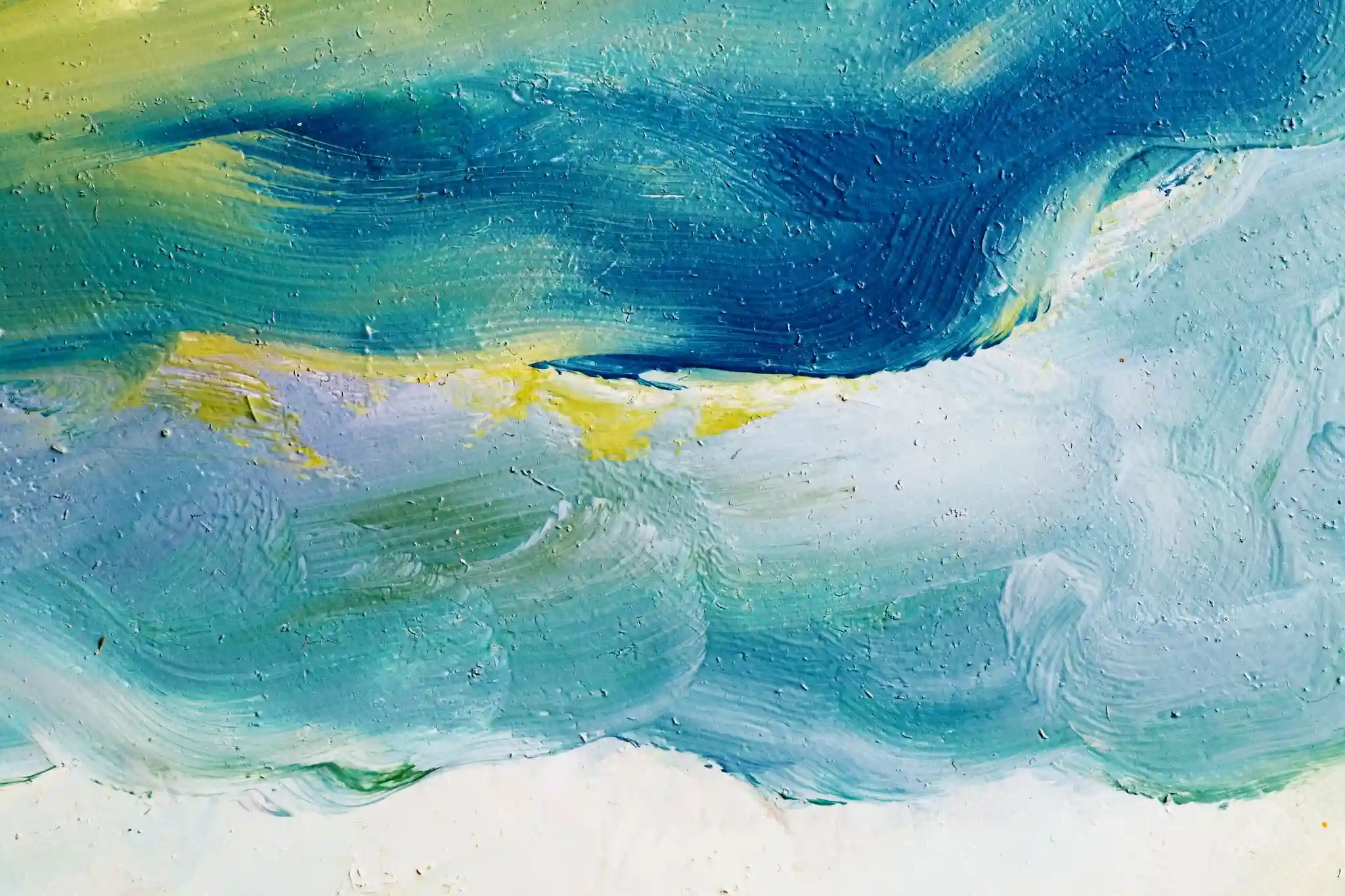
Palette knives provide a completely different painting experience compared to brushes. Instead of soft strokes, they create bold, sculptural textures. Impasto painting involves applying thick layers of paint that stand out from the canvas. These raised surfaces capture light differently, adding dramatic depth. This technique often produces expressive marks that reflect the artist’s physical movement and energy.
Nature-Inspired Abstract Art Concepts
Nature is one of the most powerful sources of inspiration for abstract art. Even when artists do not paint literal landscapes, natural patterns and colors influence their compositions. The movement of water, the structure of leaves, and the patterns of clouds all provide visual ideas that can be translated into abstract forms.
Organic Shapes and Natural Patterns
Organic shapes appear frequently in nature. They flow, curve, and overlap in unpredictable ways. Artists often incorporate these shapes into abstract compositions. Instead of rigid geometric forms, they create fluid structures that feel alive and dynamic. This approach produces artworks that feel natural and harmonious.
Earth-Tone Color Palettes
Natural environments offer rich color palettes. Earth tones such as terracotta, olive green, deep brown, and warm beige create calming compositions. Artists who work with these palettes often aim to evoke the feeling of landscapes without directly representing them. The result is artwork that feels grounded and emotionally resonant.
Motion and Gesture in Abstract Art
Movement is a powerful element in abstract art. Many artists use expressive gestures to create dynamic compositions that capture energy and spontaneity. Fast brushstrokes, splatters, and sweeping lines convey a sense of motion across the canvas. These techniques often reflect the artist’s physical movement while painting. Gesture-based painting emphasizes intuition. Instead of carefully planning each mark, artists allow the process to unfold naturally.
Experimental Abstract Techniques to Try
Experimentation is the heart of abstract creativity. Trying unconventional techniques often leads to surprising and exciting results.
Pour Painting and Fluid Art
Fluid art techniques involve pouring liquid paint onto the canvas. The paint spreads and interacts naturally, forming organic patterns. Artists often tilt the canvas to guide the flow of colors. The results are unpredictable and visually captivating. This technique allows artists to explore movement, layering, and color blending in unique ways.
Collage and Fragmented Composition
Collage introduces an entirely different dimension to abstract art. Artists combine paper fragments, photographs, and textured materials to build layered compositions. These fragments create visual contrast and storytelling elements within the abstract piece. The combination of painted and assembled elements often produces complex, visually engaging artworks.
Conclusion
Abstract art celebrates imagination, emotion, and experimentation. It invites artists to explore ideas beyond traditional boundaries and develop deeply personal forms of expression. Exploring unique abstract art ideas allows artists to discover new techniques, materials, and creative perspectives. Each experiment becomes part of a larger journey toward artistic growth. By embracing curiosity and creative freedom, artists can transform simple materials into powerful visual experiences that resonate with viewers. Abstract art reminds us that creativity is not about perfection. It is about exploration, expression, and the courage to turn imagination into visual reality.