
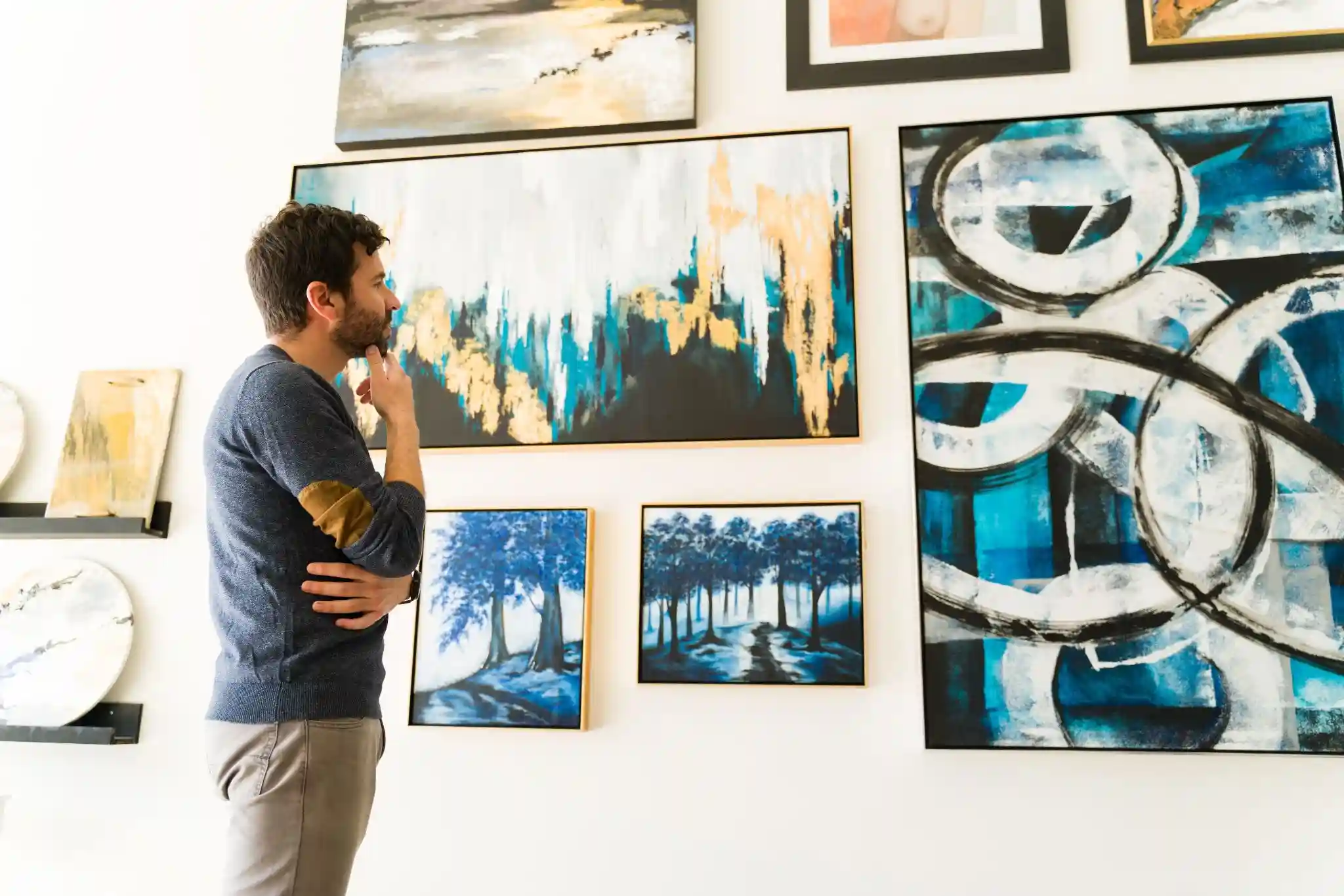
Art exhibitions do not come together by accident. Behind every well-presented show, there is careful preparation, collaboration, and creative thinking. Galleries, curators, and artists work together to shape an experience that communicates ideas through visual storytelling. A successful exhibition allows visitors to understand the artist’s vision while also enjoying the space and atmosphere of the gallery.
The process of planning art exhibit projects begins long before the artwork appears on gallery walls. Organizers must develop a clear theme, secure artwork, prepare the exhibition space, and promote the event to attract visitors. Each step contributes to the final experience.
Defining the Vision and Concept of the Exhibit
Every exhibition starts with a concept. The concept provides direction for the entire project and shapes how the artwork will be selected and presented. Curators often begin by identifying a theme that connects the pieces in a meaningful way. The theme might explore a historical period, a social topic, or a shared artistic style among several creators.
During the early stages of planning art exhibit ideas, research plays a large role. Curators study artists, artworks, and cultural context to build a clear narrative for the exhibition. The goal is to create a show that feels thoughtful and cohesive. Visitors should be able to move through the gallery and understand the relationship between the works on display. A clear concept also helps guide later decisions about layout, educational materials, and promotional messaging.
Identifying the Target Audience
Understanding the audience helps shape how the exhibition is presented. A gallery that serves art students may focus on educational interpretation and detailed explanations of artistic techniques. A public-facing exhibition might highlight storytelling and visual impact instead. When planning art exhibit experiences, curators think carefully about who will attend the show.
Selecting and Securing Artwork
Once the theme has been established, the next step involves selecting artwork that supports the exhibition concept. Curators review potential pieces and consider how each work contributes to the story they want to tell. Some exhibitions focus on a single artist, while others bring together multiple creators to explore a shared theme.
In the process of planning art exhibit collections, curators also consider practical details such as size, condition, and display requirements. A piece may be visually powerful but difficult to install in the available space. Careful selection ensures that the artwork fits both the concept and the physical environment of the gallery.
Working with Artists and Collections
Strong communication with artists and lenders is essential. Curators often borrow artwork from private collectors, museums, or directly from the artist. These agreements usually include conditions related to insurance, transportation, and display.
Artists may also provide valuable insights about their work. Their perspective can help shape the interpretation presented to visitors. These conversations often strengthen relationships that support future exhibitions.
Budgeting and Resource Planning
Financial planning supports every stage of the exhibition. Galleries must consider costs such as transportation, insurance, installation materials, marketing, and staffing. Even small exhibitions require thoughtful budgeting to ensure that resources are used effectively.
When planning art exhibit budgets, curators often balance creative goals with financial realities. Some galleries secure funding through cultural grants, sponsorships, or partnerships with institutions. Careful planning helps avoid unexpected expenses that could disrupt the exhibition schedule.
Managing Operational Costs
Operational costs continue throughout the exhibition period. Lighting, security, maintenance, and staffing all require attention. Galleries track expenses closely so that the exhibition remains financially sustainable.
Clear budgeting also makes it easier to evaluate the success of the project after it closes. Understanding where resources were spent can help guide future exhibition planning.
Designing the Exhibition Layout
The physical arrangement of artwork plays a major role in how visitors experience the exhibition. Gallery design should guide movement through the space while allowing each piece to be viewed comfortably. Curators and designers often experiment with different arrangements before finalizing the layout.
When planning art exhibit layouts, attention to visual balance is essential. Large works may anchor a room while smaller pieces create rhythm along the walls. Lighting is equally important because it highlights details and enhances the emotional effect of the artwork. Thoughtful design helps visitors move naturally through the exhibition while absorbing its narrative.
Creating Visual Flow in the Gallery
Visual flow refers to the path visitors follow through the exhibition. Designers often organize artworks by theme, chronology, or artistic technique. This structure helps the audience understand how each piece relates to the others.
Clear visual flow also prevents the space from feeling crowded or confusing. Visitors should be able to explore comfortably and spend time with individual works without feeling rushed.
Developing Interpretation and Educational Materials
Interpretive materials help visitors understand the meaning behind the artwork. Labels, wall texts, and exhibition catalogs provide context about the artist and the creative process. These materials transform a gallery visit into a learning experience.
When planning art exhibit interpretation, curators aim to strike a balance between information and simplicity. Visitors should feel informed rather than overwhelmed by text. Clear language and concise explanations allow viewers to connect with the artwork while forming their own interpretations.
Writing Clear Exhibition Labels
Labels usually include the title of the work, the artist’s name, the date, and the medium. Many exhibitions also include short descriptions that explain the significance of the piece.
Organizing Logistics and Installation
Installation is the stage when the exhibition finally takes physical form. Artworks arrive at the gallery and are carefully unpacked, inspected, and placed according to the design plan. Professional installers often assist with handling and mounting the pieces.
During planning art exhibit logistics, teams coordinate schedules to ensure that each task happens smoothly. Walls may need painting, lighting adjustments may be required, and display equipment must be prepared in advance. Attention to detail during installation ensures that the artwork is presented safely and professionally.
Artwork Handling and Preservation
Artwork is often delicate and valuable, which makes proper handling essential. Galleries maintain controlled conditions to protect pieces from damage. Temperature, humidity, and lighting levels are carefully monitored throughout the exhibition period.
Promoting the Exhibition
Promotion plays a vital role in attracting visitors. Even a well-designed exhibition needs visibility to reach its audience. Galleries use a variety of communication channels to share information about upcoming shows.
When planning art exhibit marketing, organizers often combine traditional publicity with digital outreach. Press releases, social media posts, and gallery newsletters help spread awareness. Strong promotional messages highlight what makes the exhibition unique and why visitors should attend.
Media and Public Relations Outreach
Journalists and art writers can help expand the reach of an exhibition. Galleries often host preview events for media representatives before the official opening. These events encourage coverage in newspapers, magazines, and online publications.
Positive media attention builds anticipation and encourages visitors to experience the exhibition for themselves.
Engaging Visitors Through Programs and Events
Public programming adds another dimension to the exhibition experience. Talks, workshops, and guided tours allow visitors to explore the artwork in greater depth. These events create opportunities for conversation between artists, curators, and audiences.
When planning art exhibit programs, galleries often consider the interests of their community. Educational activities can introduce new audiences to art while also providing meaningful engagement for experienced visitors.
Artist Talks and Curator Tours
Artist talks give visitors the chance to hear directly from the creators. These conversations reveal the ideas and inspirations behind the work. Curator tours offer insight into how the exhibition was organized and why certain pieces were chosen. Events like these help visitors connect with the artwork on a deeper level.
Conclusion
Organizing an exhibition requires creativity, planning, and collaboration. From shaping the initial concept to evaluating visitor responses, each stage contributes to the final experience. The process of planning art exhibit projects involves balancing artistic vision with practical organization.
When galleries manage these elements effectively, the result is an exhibition that inspires visitors and celebrates artistic expression. A well-planned show not only highlights the artwork on display but also strengthens the relationship between artists, galleries, and the communities they serve.