
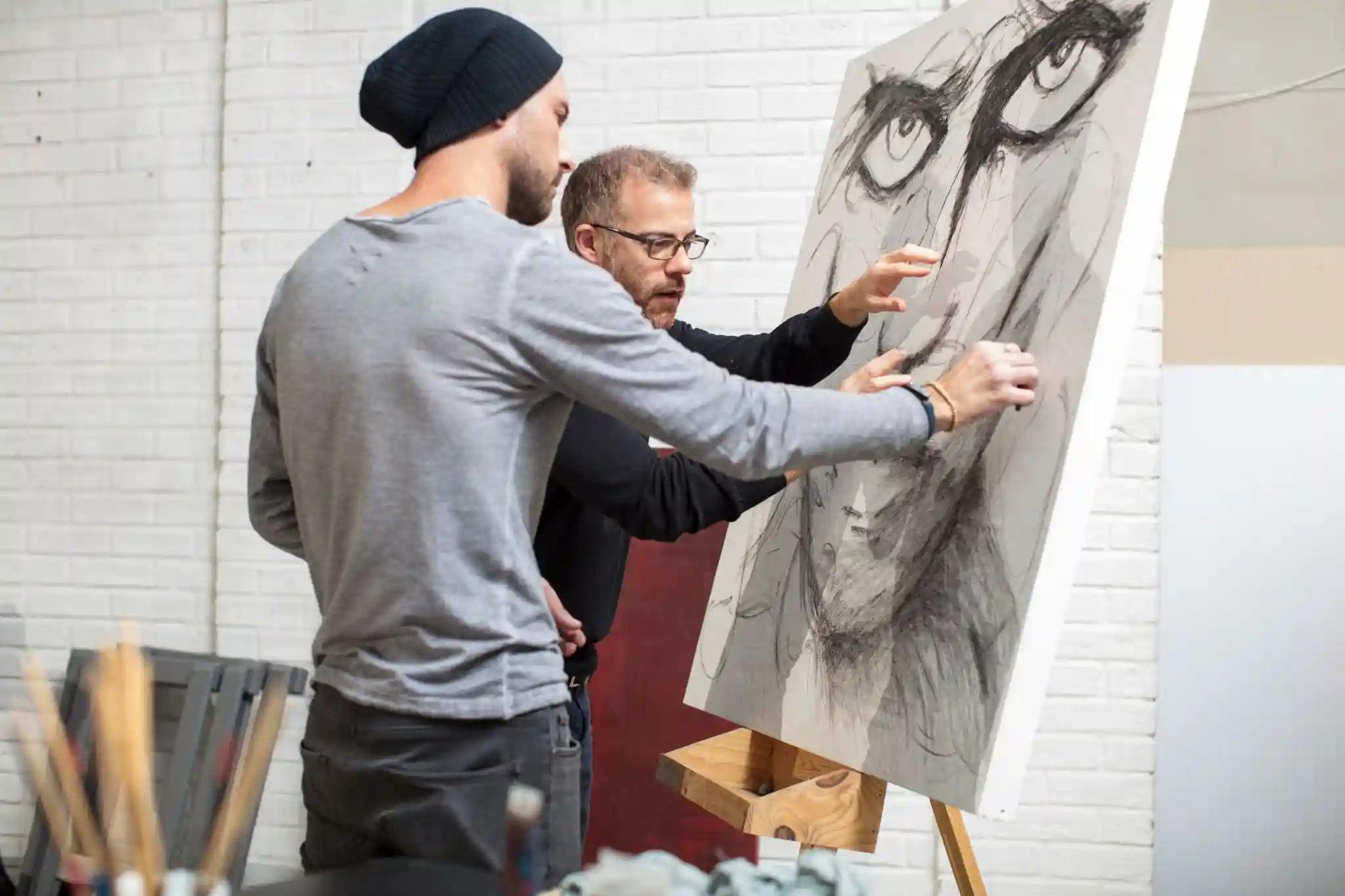
Learning art can feel confusing when you do not have a clear direction. Many people start drawing or painting with enthusiasm, but quickly lose confidence when results do not match their expectations. Without guidance, it becomes difficult to understand what to practice or how to correct mistakes.
Step-by-step tutorials solve this problem by breaking the learning process into manageable stages. Instead of guessing what comes next, artists follow a clear path that shows exactly how a piece develops. This structure allows beginners and experienced learners to improve art skills steadily while gaining confidence in their creative process.
Why Structured Tutorials Work for Art Learning
Art skills grow faster when practice follows a clear structure. Tutorials guide learners through a logical sequence that builds understanding step by step. Each stage introduces a new idea while reinforcing the previous one. This method makes the learning experience more focused and less overwhelming.
Artists who rely on structured lessons often progress more steadily because they practice with purpose. Rather than drawing randomly, they concentrate on techniques that strengthen their foundation. Over time, this focused practice helps artists improve their art skills while also building patience and discipline.
Breaking Down Complex Techniques Into Steps
Many artistic techniques seem difficult when viewed as a single task. Drawing a portrait or painting a landscape involves many smaller actions that must work together. Tutorials simplify this process by dividing complex tasks into smaller steps that are easier to follow.
When artists approach their work in stages, they can concentrate on one element at a time. This approach reduces frustration and encourages steady improvement. The gradual process makes it easier to understand how a finished artwork is constructed from simple beginnings.
Understanding Basic Shapes and Structure
Every drawing begins with simple shapes. Circles, lines, and rectangles form the basic structure of most subjects. Tutorials often begin by teaching artists how to recognize these shapes within complex forms.
Learning to see structure strengthens observation skills. Artists begin to understand how proportions work and how objects relate to each other within a composition. This early stage is essential for anyone who wants to improve art skills because it builds the foundation for more advanced techniques.
Layering Details Gradually
Once the basic structure is established, artists begin adding details. Tutorials guide learners through this stage slowly so that each element builds upon the previous step. Details such as textures, shadows, and highlights are introduced gradually.
This layered approach teaches patience and control. Instead of rushing through a drawing, artists learn to develop their work carefully. Over time,e they gain a deeper understanding of how small details contribute to the overall effect of a piece.
Building Consistency Through Guided Practice
Consistency plays a major role in artistic development. Practicing occasionally rarely produces strong results. Step-by-step tutorials encourage regular practice by providing clear exercises and achievable goals.
When artists return to guided lessons regularly, they reinforce important techniques and develop stronger control over their tools. Repetition allows the mind and hand to work together more naturally. With steady effort, artists begin to notice real progress and continue to improve their art skills through disciplined practice.
Learning Fundamental Art Principles Through Tutorials
Strong artwork relies on understanding certain basic principles. These include proportion, perspective, light, and shadow. Tutorials often introduce these concepts naturally while demonstrating how they apply to real artwork.
Learning theory through practice makes these ideas easier to understand. Artists do not simply read about artistic principles. Instead, they see how those ideas shape a drawing or painting step by step. This approach helps artists strengthen their foundation and improve their art skills with greater confidence.
Proportion and Perspective
Proportion helps artists keep elements balanced and realistic. It ensures that the size of each object relates correctly to the others. Tutorials often demonstrate proportion through simple guides that help artists measure and compare shapes.
Perspective creates depth and space within a drawing. Lessons often show how lines converge toward a point to create the illusion of distance. Practicing these concepts repeatedly allows artists to understand how space works within a composition.
Developing Problem-Solving Skills in Art
Artists frequently encounter small problems while working. A line may look uneven, or a face may appear slightly distorted. Beginners often feel discouraged when these issues arise. Step-by-step tutorials show how experienced artists correct mistakes during the process.
Watching these adjustments helps learners understand that mistakes are part of artistic growth. Instead of abandoning a drawing, artists learn how to refine and adjust their work. This ability to solve problems strengthens confidence and encourages continued learning.
Building Creative Confidence Through Small Wins
Confidence grows through small achievements. Completing a guided drawing or painting can feel very rewarding, especially for beginners. Each finished piece shows that improvement is possible through practice and patience.
These small successes motivate artists to continue learning. As they complete more tutorials, they begin to recognize patterns in the process. Gradually, they develop the ability to approach new subjects with greater confidence and independence while continuing to improve their art skills.
Adapting Tutorials to Different Art Styles
Step-by-step tutorials can support many artistic styles. Some artists focus on realistic drawing while others prefer expressive painting or digital illustration. Tutorials offer a starting point that artists can later adapt to match their creative interests.
By studying a variety of lessons, artists discover techniques that fit their personal style. This exploration helps them understand different artistic approaches while building a versatile skill set.
Traditional Drawing and Painting
Traditional art tutorials often focus on materials such as pencil, charcoal, watercolor, or acrylic paint. These lessons teach artists how to control pressure, blend tones, and build layers of color.
Digital Art Tutorials
Digital art tutorials introduce tools used in illustration software and drawing tablets. Artists learn how digital brushes, layers, and editing tools can expand creative possibilities.
Combining Tutorials With Personal Practice
While tutorials provide valuable guidance, personal practice remains essential. Artists eventually need to experiment with their own ideas rather than following instructions step by step. This stage allows creativity to grow alongside technical skill.
Many artists begin by completing tutorials and later create original work inspired by what they learned. This combination of guidance and experimentation leads to stronger artistic development and helps individuals improve their art skills in a meaningful way.
Tracking Progress and Measuring Improvement
Tracking progress can be very motivating. Many artists keep sketchbooks or digital folders that record their work over time. Looking back at earlier drawings often reveals improvements that may not be obvious day to day.
Seeing progress encourages artists to continue practicing. It also helps them identify areas that still need attention. Regular reflection supports steady growth and keeps learning focused on realistic goals.
Common Mistakes When Following Art Tutorials
Although tutorials are helpful, some learners make mistakes that slow their progress. One common issue is copying a drawing without understanding the reasoning behind each step. When artists simply imitate the result, they miss the deeper learning experience.
Another challenge appears when learners move too quickly through lessons. Skipping practice between tutorials prevents skills from developing fully. Taking time to repeat exercises allows techniques to become natural and helps artists strengthen their abilities.
Copying Without Understanding
Imitation can help beginners observe how a drawing develops, but it should not replace thoughtful practice. Artists should ask why each step exists and how it improves the piece.
Skipping Practice Between Lessons
Practice is the bridge between learning and mastery. When artists watch tutorials without repeating the exercises, progress remains limited.
Choosing High Quality Art Tutorials
The quality of tutorials can influence the learning experience. Some lessons provide clear explanations while others focus only on the final result. Choosing reliable resources helps artists gain useful guidance and accurate instruction.
High-quality tutorials usually explain each stage carefully and show the reasoning behind every step. They also move at a pace that allows learners to follow comfortably. With the right guidance, artists can improve their art skills through lessons that feel both practical and inspiring.
Conclusion
Step-by-step tutorials offer a powerful path for artistic growth. By breaking complex techniques into manageable stages, they make learning more approachable and less intimidating. Artists gain a clear structure that guides their practice and helps them understand how artwork develops from simple shapes to detailed compositions.
Consistent practice with well-designed tutorials allows artists to strengthen their foundation while building confidence in their abilities. When these lessons are combined with personal experimentation, creativity begins to flourish. Over time, this balanced approach allows artists to improve their art skills steadily while enjoying the rewarding process of artistic expression.