
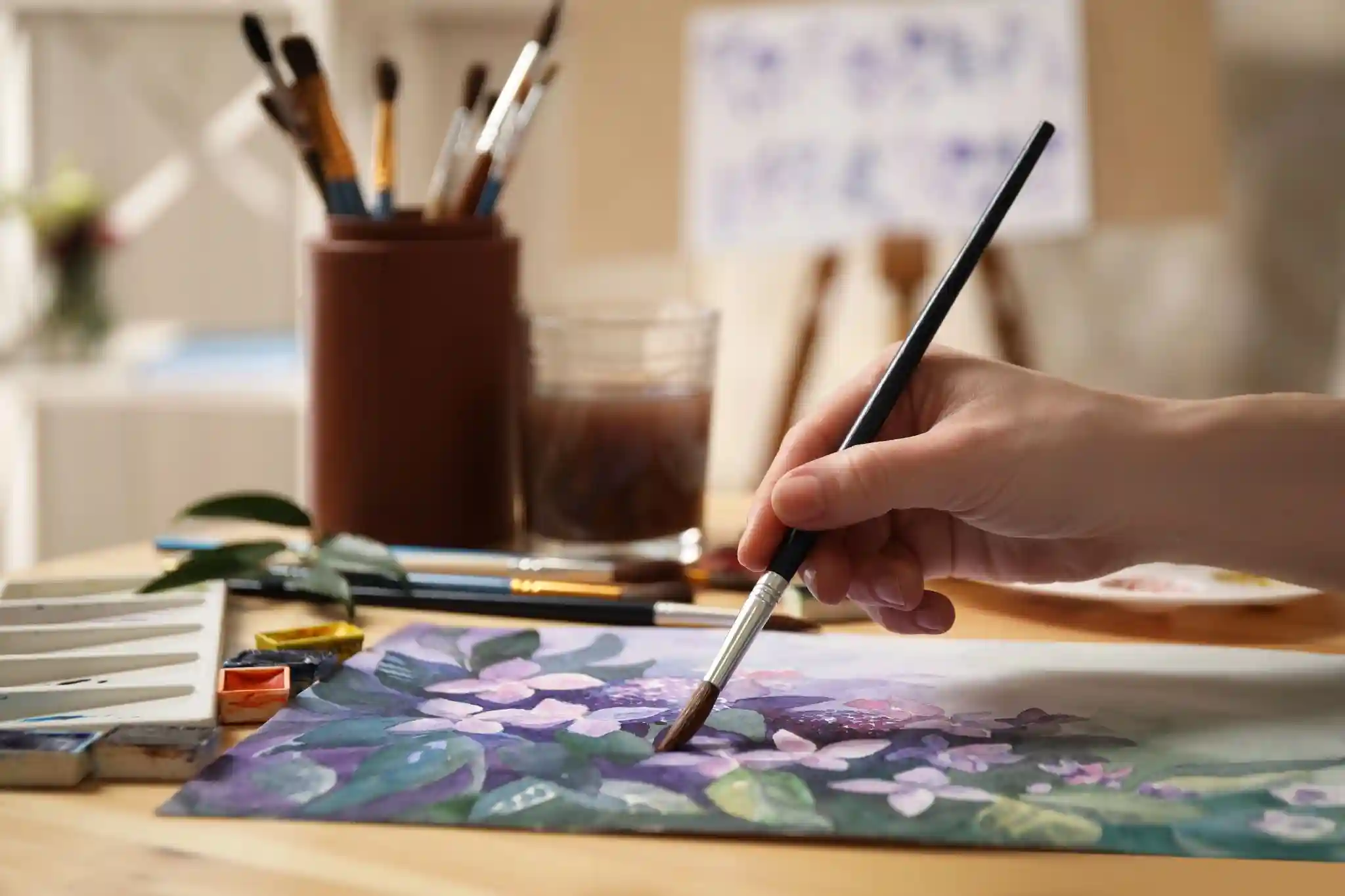
Every artist begins somewhere. Behind every impressive painting, detailed illustration, or powerful sketch lies a set of basic techniques that shape the artist’s creative foundation. Beginners often feel overwhelmed when they start learning art because the world of creativity seems vast and complex. However, the truth is simple. Mastering a few core beginner art techniques can unlock the door to artistic growth and confidence. Art is not only about talent. It is about observation, patience, and practice. Many beginners assume they must immediately produce perfect drawings, but experienced artists know that strong fundamentals matter far more than perfection. Learning the right techniques early allows artists to understand form, balance, light, and emotion within their work. These foundational skills help artists develop visual awareness. They learn how to see objects differently, understand shapes and shadows, and express ideas more clearly. Over time, these techniques evolve into personal style and creative freedom. For anyone beginning their artistic journey, focusing on essential techniques makes the learning process smoother and far more enjoyable.
Understanding the Building Blocks of Art
Before exploring advanced artistic styles, beginners must understand the basic elements that shape all visual art. These elements include line, shape, form, value, texture, space, and color. Each element plays a role in how viewers perceive artwork. Lines create structure and movement. Shapes define objects and composition. Forms add depth and dimension. Texture gives surfaces character, while color introduces emotion and atmosphere. When beginners start noticing these elements in everyday life, their artistic perception improves dramatically. A simple coffee cup suddenly becomes an arrangement of curves, shadows, and reflections. A tree becomes a combination of shapes, textures, and light patterns. This ability to break down objects into visual components is one of the most valuable skills an artist can develop.
The Importance of Sketching as a Daily Practice
Sketching is often described as the backbone of artistic development. It allows artists to practice ideas quickly without pressure or perfectionism. Daily sketching strengthens hand coordination and trains the eye to observe more accurately. Many professional artists maintain sketchbooks throughout their careers. These sketchbooks capture experiments, rough ideas, and spontaneous creativity.
Gesture Drawing for Capturing Movement
Gesture drawing focuses on capturing the energy and movement of a subject rather than detailed accuracy. Artists use quick, loose lines to record the posture and motion of figures, animals, or objects. This technique helps beginners understand flow and rhythm within drawings. Instead of focusing on small details, artists concentrate on the overall form and movement. Gesture drawing sessions usually last from 30 seconds to a few minutes. This fast pace encourages confidence and spontaneity.
Developing Observation Skills Through Sketching
Sketching also strengthens observation skills. When artists draw everyday objects such as shoes, cups, plants, or buildings, they begin to notice details they previously ignored. Observation improves proportion and accuracy. Artists learn how objects relate to each other in space and how light interacts with surfaces. Over time, this practice builds the ability to translate real-world scenes into compelling artwork.
Mastering Shading and Value Techniques
Shading is what transforms flat drawings into realistic images. By understanding value, which refers to the lightness or darkness of tones, artists can create depth and dimension. Light and shadow reveal the structure of objects. Without shading, drawings appear flat and lifeless. With shading, they gain volume and realism.
Basic Shading Methods for Beginners
Several shading techniques are commonly taught to beginners.
Hatching uses parallel lines to build value and texture.
Cross-hatching layers lines in different directions to deepen shadows.
Blending smooths graphite or charcoal to create gradual tonal transitions.
Stippling uses small dots to build value and texture.
Each method produces unique visual effects. Experimenting with different techniques helps beginners understand how texture and tone influence the mood of artwork.
Understanding Light Sources and Contrast
To shade effectively, artists must understand where light originates. The position of the light source determines where highlights and shadows appear. Highlights represent the brightest areas of an object. Midtones describe its natural color under normal lighting. Core shadows appear where light cannot reach directly. Strong contrast between light and dark areas creates dramatic effects and guides the viewer’s attention.
Learning Perspective to Create Depth
Perspective allows artists to represent three-dimensional space on a flat surface. Without perspective, drawings appear unrealistic or distorted. Understanding perspective helps artists draw environments, architecture, and objects with believable depth.
One-Point Perspective
One-point perspective is the simplest system beginners learn. In this method, all lines converge toward a single vanishing point on the horizon. This technique is useful for drawing roads, hallways, railways, or rooms. It teaches artists how objects shrink as they move further away.
Two-Point Perspective
Two-point perspective introduces a second vanishing point. This system is commonly used when drawing buildings or objects viewed from an angle. With two-point perspective, vertical lines remain straight while horizontal lines converge toward two separate points. This creates more dynamic and realistic scenes. Practicing perspective trains the brain to understand spatial relationships and proportion.
Exploring Line Quality and Control
Lines are one of the most expressive tools in art. Their thickness, direction, and intensity influence the mood and style of a drawing. Thin lines often feel delicate and subtle. Bold lines appear strong and confident. Curved lines convey movement, while straight lines create structure. Improving line control requires patience. Beginners often practice drawing continuous lines, repeating shapes, or tracing forms to strengthen muscle memory. Over time, artists develop unique line styles that reflect their creative voice.
Color Basics Every Beginner Should Know
Color adds emotion, atmosphere, and personality to artwork. Understanding how colors interact allows artists to create balanced compositions and visual harmony.
The Color Wheel and Color Harmony
The color wheel organizes colors into primary, secondary, and tertiary groups. This system helps artists understand relationships between colors. Complementary colors sit opposite each other on the wheel and create strong contrast. Analogous colors appear next to each other and produce harmonious palettes. Triadic combinations balance three evenly spaced colors. Learning these relationships allows artists to design visually pleasing compositions.
Mixing Colors Effectively
Color mixing is an essential skill for painters. Primary colors can combine to create nearly every hue. Artists also adjust brightness and intensity by adding white, black, or complementary colors. This process creates shadows, highlights, and realistic color variations. Understanding color mixing prevents muddy tones and enhances vibrancy.
Texture Techniques to Add Visual Interest
Texture describes how surfaces appear or feel within artwork. Artists often create the illusion of texture using visual patterns and shading. Rough textures may use irregular lines or stippling. Smooth surfaces rely on soft blending. Repeating patterns suggest materials like fabric, wood, or stone. By studying real-world surfaces, beginners learn how to translate tactile sensations into visual language. Texture adds richness and realism to drawings and paintings.
Composition Principles for Balanced Artwork
Composition determines how elements are arranged within a piece of art. A well-designed composition guides the viewer’s eye naturally across the artwork. Artists often use techniques like focal points, balance, contrast, and the rule of thirds to create visually engaging images. Balance can be symmetrical or asymmetrical. Both approaches can create stability and interest when used thoughtfully. A strong composition ensures that all elements work together to tell a visual story.
Developing a Personal Style Through Practice
Many beginners worry about finding their artistic style quickly. In reality, style emerges naturally over time through consistent practice and experimentation. When artists learn fundamental techniques, they gain the confidence to explore new ideas. They may experiment with different materials such as charcoal, watercolor, ink, or digital tools. As their skills improve, they begin to combine techniques in unique ways. Gradually, their artwork reflects personal preferences, themes, and creative instincts. Style is not something forced. It grows organically from experience and curiosity.
How Technology Supports Modern Art Learning
Technology has transformed how beginners learn art techniques. Online tutorials, digital courses, and art communities provide endless opportunities for practice and feedback. Digital drawing tablets allow artists to experiment with brushes, colors, and textures without needing physical supplies. Art apps offer tools that mimic traditional mediums while adding flexibility and convenience. Social platforms also connect artists with global communities where they can share work, receive critique, and learn new ideas.
Conclusion
Learning beginner art techniques is the first step toward artistic mastery. These foundational skills provide structure, guidance, and creative freedom. By practicing sketching, shading, perspective, color theory, and composition, beginners gradually build confidence and technical ability. Each drawing becomes a lesson, and each experiment adds to the artist’s growing understanding of visual expression. Art is not a race toward perfection. It is a lifelong journey of curiosity and discovery. When beginners embrace the process and practice consistently, their creative potential expands far beyond what they initially imagined. With patience, observation, and passion, anyone can transform simple lines and shapes into meaningful works of art.