Abstract painting is one of the most liberating forms of artistic expression. It allows artists to explore emotions, textures, and color without the constraints of realism. But while abstract art appears freeform, the tools and mediums you choose directly influence the outcome. Different materials shape texture, layering, and overall visual impact. Selecting the right brushes, palette knives, paints, and even digital tools can elevate a piece from ordinary to extraordinary.
Experimentation is key. Many abstract painters discover their signature style by testing a variety of instruments and mediums. Learning how each tool interacts with paint, surface, and technique opens opportunities for unique effects. In this guide, we’ll examine essential tools, popular mediums, surface selection, and techniques to help artists maximize their abstract painting potential.
Understanding Abstract Painting
Abstract painting is about expressing ideas, emotions, or impressions rather than replicating reality. It relies on color, form, texture, and composition to communicate meaning. The materials you use—brushes, palette knives, or unconventional tools—directly influence how you achieve these effects. Understanding your tools’ capabilities allows you to control textures, layering, and color dynamics more effectively.
The Role of Technique in Tool Selection
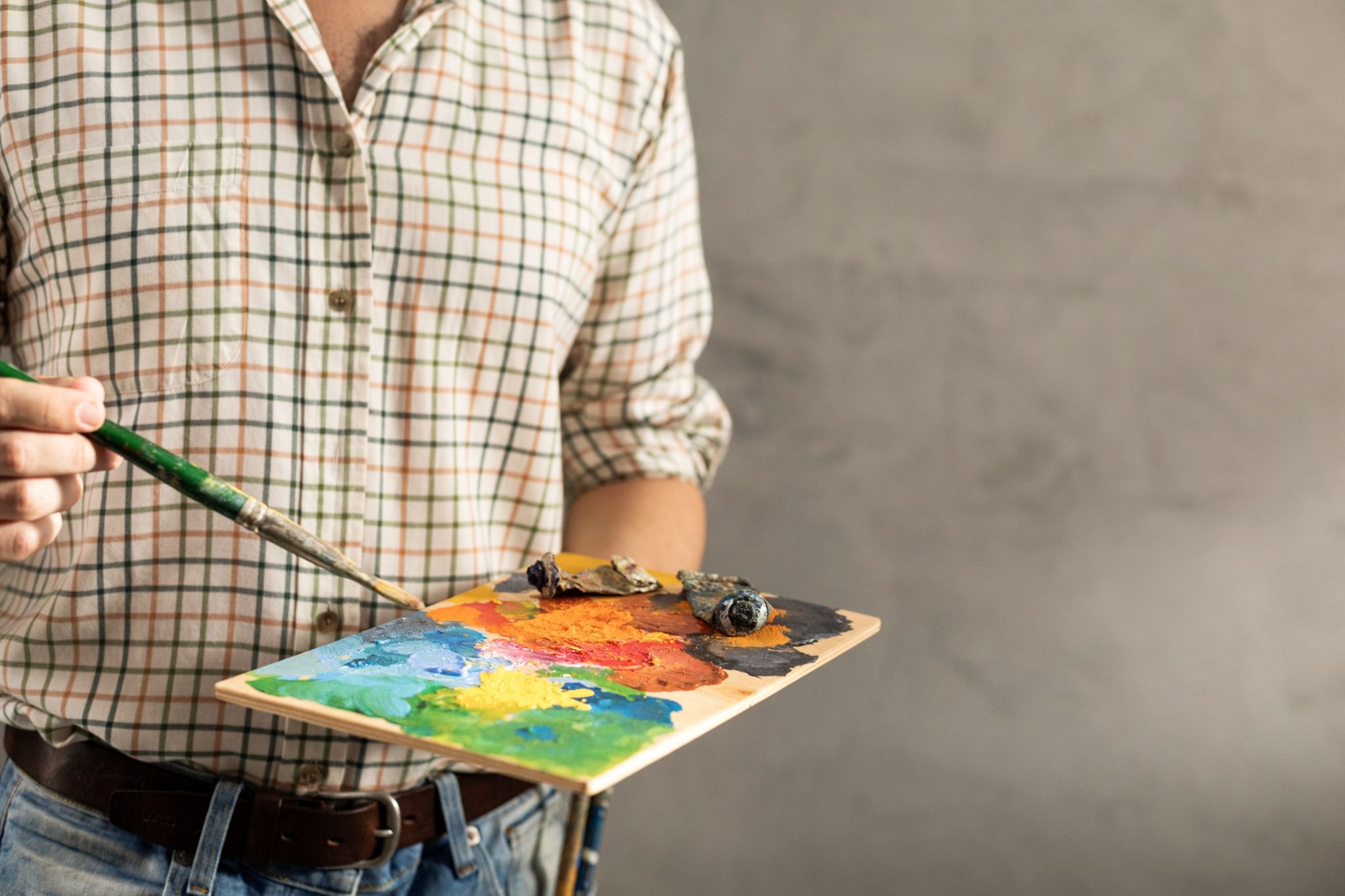
Different techniques call for specific tools. Brushes allow fine details or fluid blending, palette knives create bold textures, and unconventional tools introduce unpredictable effects. Your choice depends on whether you want controlled brushwork or spontaneous, expressive gestures. Recognizing how each tool shapes the paint lets you plan compositions and manipulate surfaces intentionally, even in abstract work.
Experimentation and Personal Style
Abstract painting thrives on experimentation. Artists often combine mediums, apply paint unconventionally, or repurpose household items as tools. Exploring unexpected textures and layering techniques encourages originality and can lead to discovering a personal style. The process of trial and error is part of the creative journey, helping painters develop a distinctive visual language.
Essential Tools for Abstract Painting
Selecting the right tools is fundamental to producing compelling abstract art. While some tools are standard in any painter’s studio, others can be adapted to suit unique techniques. Each instrument interacts with paint differently, influencing texture, layering, and visual depth.
Brushes and Their Varieties
Brushes are the most versatile tools in abstract painting. Flat brushes produce bold, broad strokes, while round brushes allow precise lines and curves. Fan brushes are ideal for creating soft textures, blending edges, or simulating organic patterns. Specialty brushes, such as filbert or mop brushes, offer unique effects and can be combined to create dynamic compositions. Choosing the right brush for the desired stroke and texture ensures your abstract painting conveys the intended visual impact.
Palette Knives and Scrapers
Palette knives are essential for adding texture and dimension. They can spread thick paint, scrape layers, or build impasto effects. Unlike brushes, knives create sharp, bold lines and organic ridges. Artists often use them to layer colors in ways that brushes cannot achieve, producing depth and tactile richness. Scrapers and other flat-edged tools can further manipulate paint, revealing underlying layers or creating geometric contrasts.
Unconventional Tools
Abstract painters frequently experiment with unconventional tools to introduce unpredictability. Sponges, rags, combs, and even sticks or credit cards can generate textures and patterns impossible with traditional brushes. These tools encourage spontaneity and can produce organic, abstract effects that enhance the uniqueness of the work. Household items like scrapers or textured fabrics can also be incorporated creatively to extend the painter’s toolkit.
Digital Tools for Abstract Art
Digital painting tools have expanded the possibilities for abstract art. Tablets, styluses, and software programs allow artists to experiment without physical constraints. Layers can be adjusted, colors tweaked, and strokes undone, giving freedom to explore new compositions and textures safely. Digital media also supports combining scanned traditional textures with digital enhancements, offering hybrid approaches for artists seeking innovation.
Choosing the Right Mediums
The medium you select dramatically affects texture, color vibrancy, and blending capabilities. Each type of paint has unique properties that influence the painting process and final appearance.
Acrylics
Acrylic paint is highly versatile. Its fast drying time enables layering and overpainting without long waits. Acrylics work well with brushes, palette knives, and mixed media additions like gels and pastes. They offer vibrant colors and maintain flexibility, allowing artists to experiment with textures and techniques freely. Acrylics are ideal for painters seeking dynamic, layered effects.
Oil Paints
Oil paints offer rich textures and slow drying times, which allow extended blending. This makes them perfect for glazing and building complex color transitions. Oils are ideal for impasto techniques, where thick layers add depth and dimension. While more demanding in terms of drying and cleaning, oils remain a favorite for artists aiming for nuanced, tactile abstract work.
Watercolors and Inks
Watercolors and inks create transparency and fluidity, encouraging spontaneous abstraction. Their flowing nature allows colors to merge organically, producing unpredictable washes and gradients. These mediums are suited for artists who favor soft, expressive effects and prefer rapid experimentation. Watercolors and inks excel in layering delicate tones and achieving light, ethereal qualities.
Mixed Media and Experimental Mediums
Many abstract painters combine multiple mediums for increased complexity. Mixing acrylics with oils, inks, pastels, or textured materials adds both visual and tactile interest. Experimental mediums, such as sand, modeling paste, or collage elements, provide dimension and surface variation. Mixed media enhances creativity by introducing unexpected interactions between textures, colors, and materials.
Surface Selection and Preparation
The surface you paint on significantly influences tool and medium performance. Canvas, paper, wood panels, and even unconventional materials like metal or fabric can affect absorption, texture, and paint behavior. Priming a surface improves adhesion and preserves colors. Textured surfaces can enhance layering effects, while smooth surfaces are better suited for fine detail. Preparing the surface thoughtfully ensures that tools and mediums perform optimally and allows artists to achieve desired visual effects consistently.
Techniques to Maximize Tool and Medium Potential
Successful abstract painting involves both technique and intuition. Layering allows for depth and visual interest, while blending creates smooth transitions. Scraping, resist, and masking techniques reveal hidden layers and add complexity. Incorporating spontaneity, such as dripping, splattering, or using unconventional tools, introduces unpredictability, enhancing originality. Combining controlled methods with experimental approaches ensures a dynamic, engaging composition that reflects both skill and creativity.
Tips for Developing a Personal Abstract Style
Developing a personal style requires regular experimentation with tools and mediums. Observe how different brushes, knives, and materials interact with paint. Take note of textures, color combinations, and patterns that resonate. Balance intention with intuition, allowing the artwork to evolve naturally. Over time, repeated experimentation and reflection help refine a unique voice in abstract painting, distinguishing your work from others while maintaining authenticity.
FAQs
1. What are the essential tools for abstract painting? Essential tools include brushes of various shapes, palette knives, unconventional items like sponges, and digital devices for experimentation and layering.
2. Which painting mediums work best for abstract art?
Acrylics, oil paints, watercolors, inks, and mixed media all provide unique textures and flexibility, depending on the desired effect and technique.
3. How do surface choices affect abstract painting?
Canvas, wood, paper, or unconventional surfaces impact paint absorption, texture, and layering possibilities, influencing how tools and mediums perform.
4. Can unconventional tools enhance abstract paintings?
Yes, items like rags, combs, sponges, or even household objects create unpredictable textures and patterns, encouraging originality and experimentation.
5. How can artists develop a personal abstract style?
Experiment consistently with tools, mediums, and techniques. Observe textures, color interactions, and layering effects, balancing intuition with deliberate choices to refine individuality.