
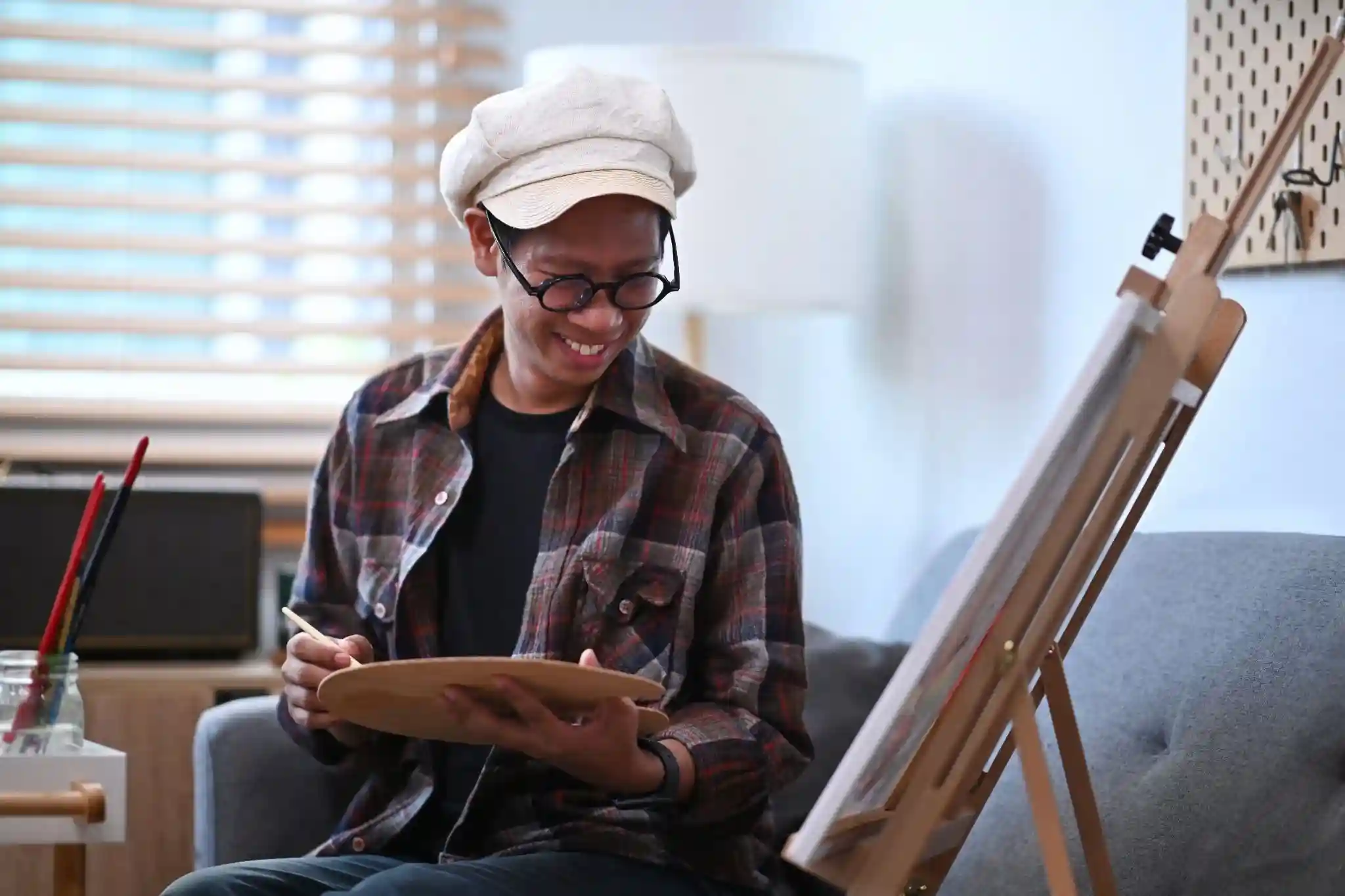
Creating an art tutorial for beginners can be a rewarding experience. A well-structured tutorial not only helps learners grasp new skills but also fosters their creativity. When you think about art tutorial structure, it’s clear that organization plays a significant role in how effectively you can communicate your ideas. Whether you are an experienced artist or a teacher, knowing how to structure your tutorials will make your lessons more impactful. This guide offers you essential tips on how to create engaging and effective art tutorials for beginners.
Understanding your audience is the first step in building a strong foundation. Knowing who your learners are will allow you to tailor your content to their needs. It means considering their skill levels and the types of art they are interested in. When you align your tutorials with their expectations, you create a more enjoyable learning experience.
Understanding Your Audience
Before you start crafting your art tutorial structure, take a moment to think about your audience. Are they absolute beginners, or do they have some experience? Identifying the skill levels of your learners will help you frame your tutorial accordingly. For beginners, it’s important to keep things simple and avoid overwhelming them with advanced concepts.
Setting clear expectations is also essential. Make sure to communicate what learners can achieve by the end of the tutorial. For example, if your goal is to teach basic watercolor techniques, state that clearly in your introduction. This way, learners know what to look forward to and can measure their progress along the way.
By taking the time to identify your audience and set expectations, you can create a more focused and engaging tutorial. Remember, the goal is to make learning enjoyable and accessible for everyone involved.
Defining the Tutorial Objective
Once you understand your audience, the next step is to define the tutorial objectives. This part of the art tutorial structure is vital because it sets the direction for your content. Having clear, specific learning goals will guide your tutorial and help you stay focused.
When formulating your objectives, think about what you want your learners to take away. Are you teaching them how to create a specific piece of art? Or perhaps you want them to understand certain techniques? Whatever the goal may be, ensure it aligns with the needs of your audience. This alignment will make your tutorial more relevant and useful.
It’s also important to make sure that every part of your tutorial supports these goals. If your objective is to teach a specific technique, every step should connect back to that goal. This coherence is essential in making your tutorial effective. A well-structured art tutorial will guide your learners toward achieving their objectives, making the learning experience more rewarding.
Structuring the Tutorial Content
Now that you have your audience and objectives in mind, it’s time to structure the tutorial content. A strong introduction is key. It sets the tone for the entire lesson and grabs the learner’s attention. Start with a brief overview of what the tutorial will cover. Mention the materials needed and give a snapshot of what learners can expect to accomplish.
Once your introduction is established, move on to the step-by-step instructions. Breaking the content into manageable steps is crucial for keeping beginners engaged. Each step should be clear and concise. Use simple language to explain complex ideas. Remember, the goal is to make learning easy and enjoyable.
Visual aids can significantly enhance your tutorial. Including images or videos that demonstrate techniques can help clarify your instructions. When learners can see how something is done, it makes it easier for them to replicate the process. Choose visuals that relate directly to the content you are teaching. This connection will reinforce the learning experience and provide a holistic understanding of the concepts.
Another effective way to structure your tutorial is to incorporate practical exercises. Hands-on learning is a powerful method for reinforcing concepts. Encourage your learners to practice what they’ve just learned. These exercises can help them build confidence and improve their skills.
You can also encourage experimentation within your tutorials. Let learners know that it’s okay to make mistakes and explore their creativity. Providing prompts or challenges can inspire them to try new techniques. This approach not only fosters creativity but also helps learners develop their individual styles.
Feedback and Assessment
Feedback is an integral part of the learning process. After your learners have completed the exercises, encourage them to assess their work. Self-assessment helps them reflect on their progress and identify areas for improvement. You might suggest a few questions for them to consider, such as what they enjoyed most about the process and where they faced challenges.
As an instructor, offering constructive feedback is equally important. Guide in a supportive manner. Highlight what they did well and offer suggestions for improvement. This balanced approach helps learners feel valued and encourages them to continue developing their skills.
Creating a space for community feedback can also enhance the learning experience. Encourage learners to share their work with peers. This interaction can foster a sense of belonging and motivate them to engage more deeply with their art.
Conclusion and Next Steps
As you conclude your tutorial, it’s essential to summarize the key takeaways. Recapping the main points reinforces what learners have learned. It also helps them remember the essential skills and techniques you covered. A good conclusion will tie everything back to the objectives you set at the beginning.
Finally, suggest next steps for your learners. Encourage them to practice their new skills regularly. Recommend additional resources or tutorials that can help them continue their artistic journey. Encouraging continuous learning helps build their confidence and keeps their interest alive.
FAQs
1. What are the key elements of an art tutorial structure?
The key elements include understanding the audience, defining objectives, structuring content with clear steps, incorporating practical exercises, and providing feedback.
2. How can I engage beginners in an art tutorial?
Engage beginners by using clear language, visual aids, practical exercises, and encouraging experimentation. Make the learning process enjoyable and supportive.
3. What types of visuals should I include in my art tutorial?
Include images, diagrams, or videos that demonstrate techniques clearly. Visuals should directly relate to the content to enhance understanding.
4. How important is feedback in art tutorials?
Feedback is crucial. It helps learners reflect on their progress, encourages improvement, and builds confidence. Constructive feedback fosters a supportive learning environment.
5. What resources can I recommend for further art exploration?
Recommend books, websites, online courses, and art communities. These resources can provide additional knowledge and support for continued learning and exploration.